STEP 1
Pick your chapters
Chapters are grouped as the syllabus groups them, each showing what it is worth. Pick a full paper, a half paper or a 45-minute test, and watch the marks total fill up as you choose.


No subject is learned by reading solutions. It is learned by sitting down with a pen, getting it wrong, and finding out precisely which mark you missed.
Choose what you are revising. The paper is built to the real board blueprint, each chapter at its own weightage.
A clean paper, formatted like the board's, with a marks column and internal choices. Print it, or read it on a phone.
In a notebook, in the three hours the board gives you, with the solutions out of sight. Nothing here replaces that.
Type your answers in. Objective ones grade themselves; the rest you mark against the examiner's own scheme.
Pick, open, solve, mark. Four steps, and the only one that needs anything of you is the third.
Chapters are grouped as the syllabus groups them, each showing what it is worth. Pick a full paper, a half paper or a 45-minute test, and watch the marks total fill up as you choose.
The general instructions, five sections, the marks column down the right, internal choices where the board gives them. Read it on any screen, or print the PDF and work on paper.
In a notebook, in the three hours the board gives you, with the solutions out of sight. Writing by hand is the skill being tested, and it is learned nowhere else.
Not just a right answer. The full worked reasoning, then the scheme with a mark against each step, so you learn which mark you dropped and exactly why you dropped it.
Every paper is composed against the real structure of its own subject — the same sections, the same question numbers, the same marks, the same internal choices. Shorter 20- and 40-mark papers scale it proportionally.
Each chapter carries its own share of the paper, exactly as the board weights it. Pick a few and watch the paper fill up.
Every paper is generated fresh against the real board blueprint for its subject, and every question is checked against the NCERT textbook before it is served. Generate as many as you like; no two come out the same.
All fourteen chapters, in Basic and Standard, with the full marking scheme behind every single question.
Basic & Standard →Physics, Chemistry and Biology in one paper, exactly as the board sets it, every question checked against NCERT.
One paper, three streams →History, Geography, Civics and Economics in one paper, one section each, exactly as the board sets it.
Four papers in one →One subscription covers all main subjects
A practice paper is only worth the trust you put in it. These are the things that take the work.
A question is built one way and its answer re-derived a second, independent way. If the two disagree it is thrown away and another is built in its place. A wrong answer inside a marking scheme teaches the wrong thing, so not one is ever served.
Not stock pictures. Each figure is drawn from the values in the question in front of you and checked against the CBSE original it was patterned on. It never shows a number the question has not already given you — that would answer it for you.
Every pattern is served once before any of them repeats, and the numbers change each time you meet one. 1,470 verified patterns sit behind the papers, and every one has been checked against the NCERT textbook before it is served.
Not the same paper with a label changed. Each stream has its own blueprint and its own balance of easy, applied and higher-order questions, so a Basic student practices the Basic paper and is never quietly handed a Standard one.
Students who sat the boards using MyAbhyas.
Before boards I used to just read the NCERT solutions and think "yeah I get it." Turns out I didn't. MyAbhyas made me actually type in my answers before it showed me anything, and the first two papers were honestly humbling. But that's what fixed it. By January I wasn't fooling myself anymore…
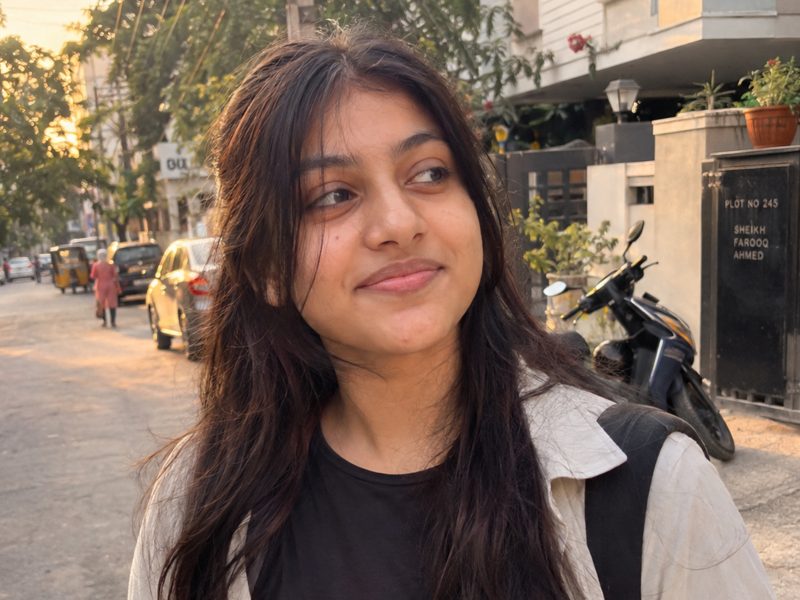
The thing that helped most was the marking scheme breakdown on long answers. I always used to lose marks in exams even when my final answer was right, and I never understood why. Turns out I was skipping steps examiners actually give marks for. Once I saw it broken down — 1 mark for the formula, 1…
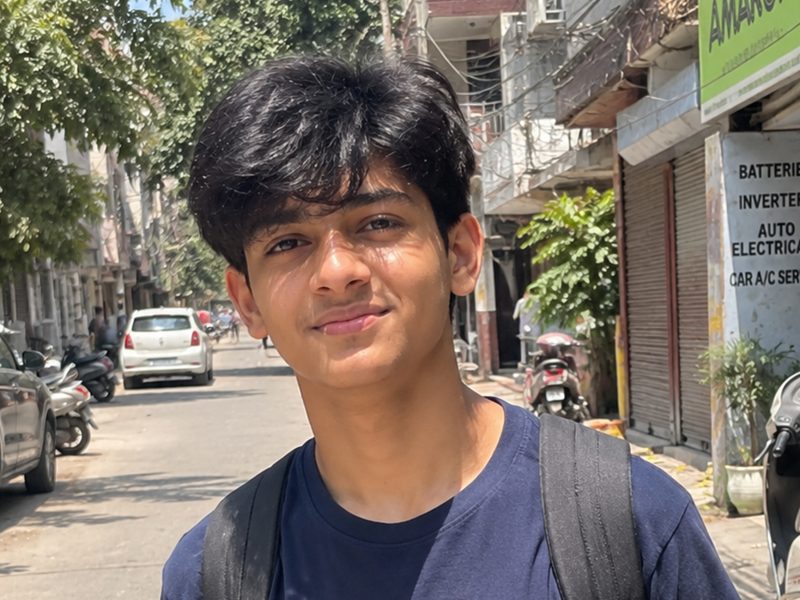
I was scared of Coordinate Geometry the whole year, kept avoiding it. The app has this thing where it shows your weak chapters clearly, and mine had this bright red Coordinate Geometry sitting there every time I opened it. Annoying but it worked — I finally sat down and drilled it properly. Got a…

What I liked is that the papers actually feel like the real exam. Same sections, same MCQ-AR-VSA-SA-LA pattern, even the case study questions at the end. First time I saw a case study question in an actual mock test I didn't panic because I'd already done like 15 of them on MyAbhyas.
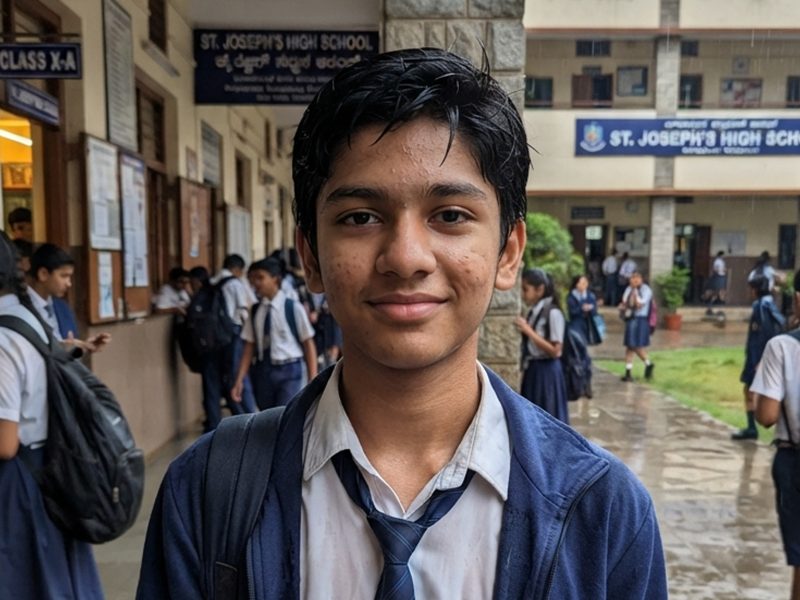
I started on the free plan just to try it, two papers a month. Ended up using both every single month from October last year, and my mom upgraded me to the yearly one in December because I kept asking for more. Honestly one of the only apps I actually stuck with the whole year instead of…
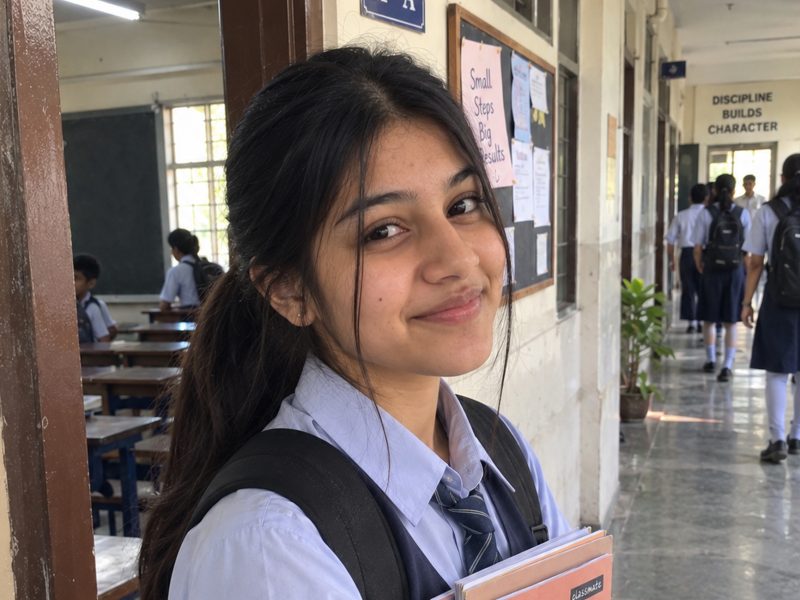
My weak spot was silly mistakes — not not-knowing, just rushing. The Mistake Book kept bringing back questions I'd already gotten wrong before, like a week later, then again a few weeks after. Second time round I usually got it right. Didn't expect it to work but it genuinely broke the pattern of…
I'm Basic stream and honestly worried the app was going to be all Standard-level stuff I couldn't use. It wasn't — the questions actually matched what I needed, nothing felt out of syllabus. Scored 91 in maths finally, which is the highest I've ever gotten in the subject.
Printed out probably 40 papers over the year, solved them properly with a timer on my phone, then came back and entered answers. Something about writing on actual paper first instead of typing straight into a website made it feel like real exam practice, not just clicking through an app.
Told my whole friend group about this in September and like four of us ended up using it before boards. We'd compare our chapter scores in our WhatsApp group, it turned into this friendly competition thing. Genuinely made prep less lonely, which nobody tells you is half the battle during boards…
Unlimited papers, all year, across Mathematics, Science and Social Studies — every one built to the verified CBSE paper pattern, with the full worked solution and the marking scheme behind it. ₹399 for the whole year, with code DIWALI.
Stay free for as long as you want it, but remember free isn't enough.
All subjects — Maths, Science & Social — Unlimited access.
Pick your chapters, print what comes out, and mark it honestly against the examiner's own scheme. Two papers a month are free for as long as you want them.